New Research Spotlight: Scientists continue to explore new factors that may influence healthy blood sugar regulation.
What If Sugar Isn't the Real Problem After All?
Researchers investigating blood sugar have quietly shifted their attention away from one question…
“How much sugar are people eating?”
…and toward another question that may surprise you.
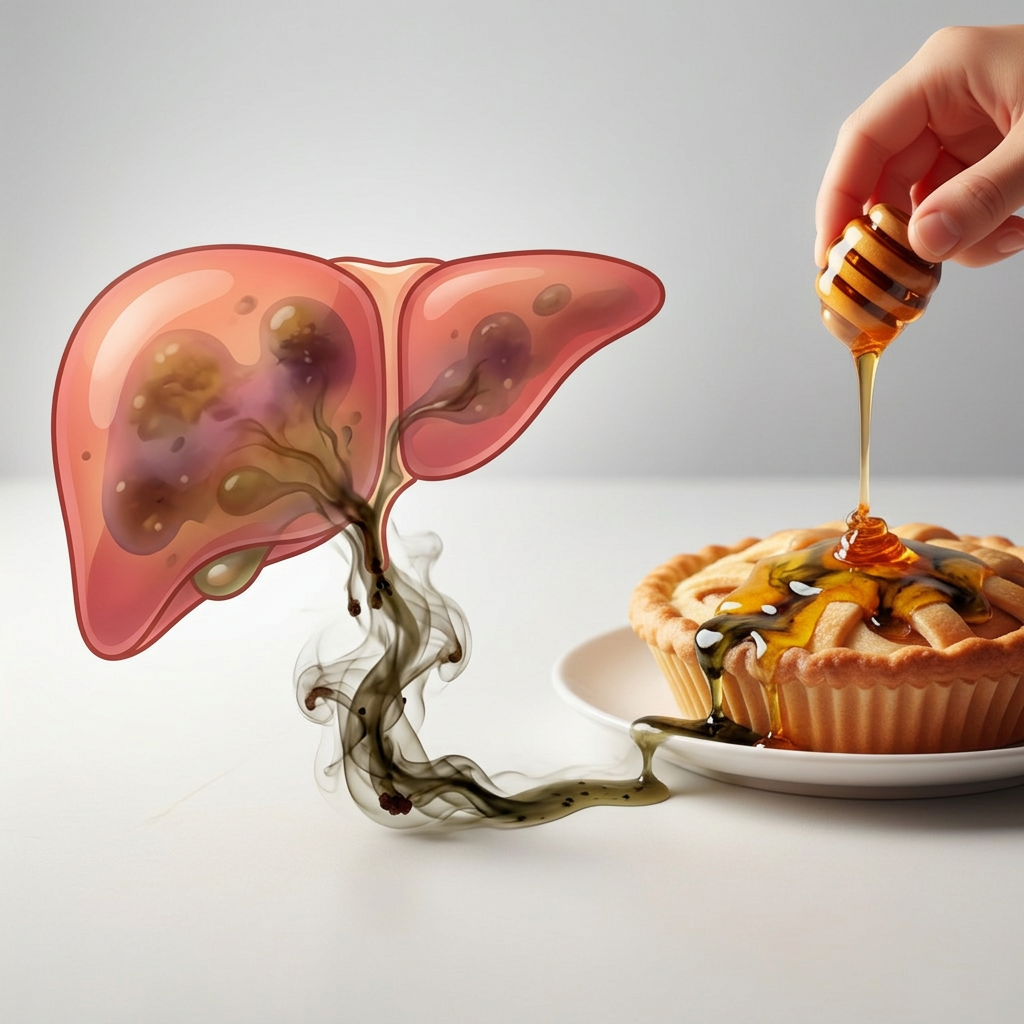
What if the real problem isn’t sugar at all—but an overlooked organ that gradually begins releasing excess glucose into your bloodstream?
That’s exactly what this free presentation explores.
Learn how to reduce blood sugar level

Why Researchers Are Taking a Closer Look at Liver Function and Blood Sugar
For decades, blood sugar conversations centered almost entirely on diet, carbohydrates, and exercise.
But in recent years, researchers have been paying much closer attention to another piece of the puzzle…
The liver.
This remarkable organ plays a central role in regulating how glucose is stored, produced, and released into the bloodstream throughout the day.
While healthy eating and physical activity remain essential, scientists are now exploring whether changes in liver function could help explain why some people continue struggling with blood sugar—even when they’re doing many of the “right” things.
That growing body of research has opened the door to a very different way of thinking about blood sugar support.

- Constant fatigue and unexplained aches stealing your vitality?
- Shame and frustration from diet restrictions and failed promises?
- Avoiding social events and feeling isolated from loved ones?
- Feeling like managing your blood sugar has become increasingly difficult?
- Concerned about maintaining your long-term health?
Three Common Misconceptions About Blood Sugar Management
For many years, discussions about blood sugar have focused primarily on carbohydrate intake and insulin function.
Today, researchers are expanding their understanding by studying additional factors involved in glucose metabolism, including the important role of the liver and other metabolic pathways.
Although research is ongoing, these findings have encouraged many health professionals to continue exploring new approaches to supporting healthy blood sugar levels.
Beyond Carbohydrates
Carbohydrates certainly influence blood sugar, but researchers continue studying other biological processes that may also contribute to healthy glucose regulation.

The Liver's Important Role
The liver naturally helps regulate glucose production and storage throughout the day. Scientists continue investigating how this process may influence metabolic health.
Looking at the Bigger Picture
Healthy blood sugar management often involves multiple lifestyle factors working together, including nutrition, physical activity, sleep, stress management, and overall metabolic function.

A New Perspective on Supporting Healthy Blood Sugar
As scientific understanding continues to evolve, researchers are uncovering new insights into the complex processes involved in glucose metabolism. Rather than focusing on a single factor, current research is examining how different systems within the body—including liver function—may contribute to maintaining healthy blood sugar levels. The presentation below explains these emerging findings in a clear and easy-to-understand way.
The 4 Stages That Lead You To The Brink of Despair...
Does any of this sound painfully familiar? The slow, insidious creep of symptoms, dismissed as 'just getting older,' now spiraling into a nightmare you can’t escape? It's a progression, a path so many are forced down, unsuspecting of the true culprit.

The Quiet Onset
You notice occasional fatigue, blurry vision, or a subtle tingling. You brush them off, thinking it's nothing serious. The *silent attack* has begun, but you're unaware of the true danger lurking.

The Spiral Downward
The symptoms become undeniable. Constant thirst, frequent urination, nerve pain begins to prick. You start medication, but your blood sugar *refuses to stabilize*, leaving you feeling helpless and frustrated.

The Breaking Point
Your life shrinks. You dread check-ups, fear every meal, and the constant threat of complications hangs over you like a *dark cloud*. The exhaustion is crushing, and hope starts to fade.

The Edge of Disaster
Doctors talk of amputation, kidney failure, or blindness. You're facing a choice: surrender to a grim future or discover a *hidden path* to reclaim your health before it's too late. This is the moment of truth.
No matter where you are on this devastating journey, there is a way out. A new path has been forged. Watch this urgent video now to uncover the surprising truth and the simple steps to take back control.
They Don't Want You To Know This!
Ancient Wisdom. Modern Research. One Unexpected Discovery.

As researchers explored this new direction, one scientist looked even deeper.
By comparing historical medical knowledge with modern metabolic research, he uncovered an intriguing connection that many people had overlooked.
His findings raised a simple question:
What if supporting healthy liver function could also help support healthy glucose regulation?
That’s exactly what the free research briefing below explains.
Thousands Already Breaking the Chains of Diabetes!

Eleanor V., 68 years

Marcus D., 65 years